Benjamin Home Movies
December 9, 2014 § 6 Comments
Growing up there was a rusted metal box in one of our closets that was filled with cans of 16mm film. As a child they seemed kind of creepy to me. Trapped memories. We had no way to watch them. By the time I was old enough to appreciate their value they had started to disintegrate. They had that vinegary smell that old film gets. Now working at a post house in New York that transferred film to tape, on one of my visits to my mother’s I put all of the film in ziplock bags and took it back with me on the plane to New York. I was able to transfer most it. A few rolls were badly melted and fused together, so had to be thrown out. Most of the film was so delicate that we opted not to clean it before we transferred it. Again like the family photos there was little information written on the film boxes. –Sometimes I think of the journey that the photographs and films have made. Leaving New York, traveling thousands of miles to sit in a closet for years untouched then back to where they started. I’ll never forget the feeling of seeing them come to life. When I began my blog almost a year ago I posted this clip, so some of you who have been following may remember it. It’s a short sampling of some of the film footage I put together when I was working in Post Production.
Share

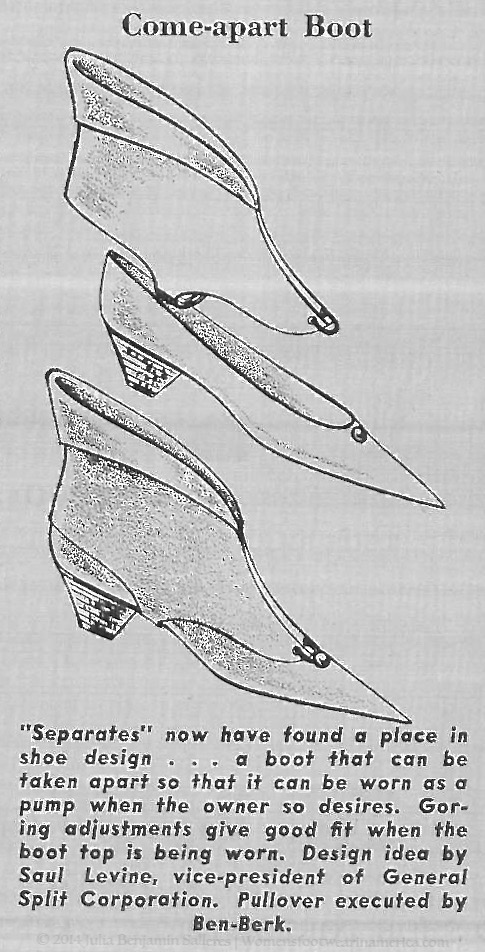

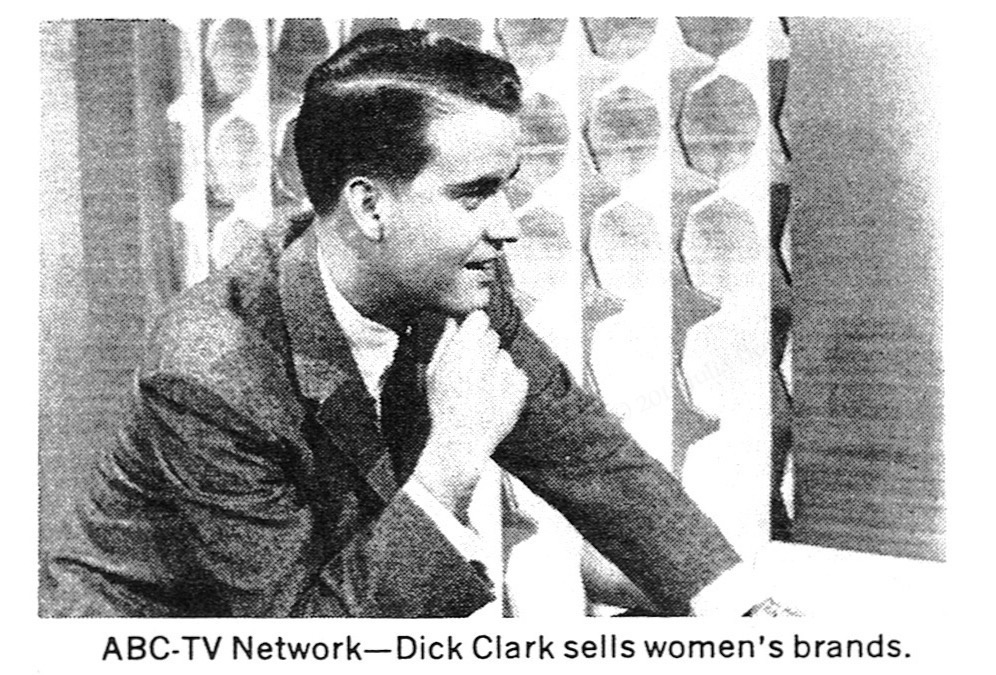
Who Knew Dick Clark Sold Women’s Shoes? | Boot And Shoe Recorder, 1960
December 5, 2014 § 4 Comments


Found on prince.org
Share

Elusive Memories And The Crash Of 1929.
November 29, 2014 § 12 Comments
I’ve imagined for so long the stories that were told to me that they’ve become part of my own memory. My dad traveled when we were children so my sisters and I spent a lot of time with our grandfather. He taught us to remember who and where we came from and no matter how much money you have you’ll never be poor if you know your history. He wasn’t what I would think of as religious, but lit candles every Friday night and said prayers. He believed in Jewish Mysticism before it was trendy and told us about a man in London that he met when he was young who read the bumps on his head and told him about how in the future everyone would be watching a box. When he couldn’t sleep at night he would lay in bed imagining fantastical machines he would invent and later tell us about them. I also remember him telling us that he didn’t suffer during the great depression because he hadn’t put everything in the stock market. Seemingly conservative – but also extremely open minded. Because of his heart condition my parents were very protective of him. I remember when my aunt had cancer and I overheard them saying they were afraid to tell him how bad it was, keeping him from the news until she died and making sure he was sitting down with a glass of scotch when they did tell him. I never understood why they didn’t have faith that someone who had experienced so much loss wouldn’t be able to handle it — he did. He told us he believed in moderation. Maybe, because of his humble beginnings. That having too much of anything wasn’t good and took pride in telling us that he used the money he did make to bring his brothers and sisters to America.
We always made a profit. Even through the depression in 1929 and 30 we still made a profit. We didn’t lose any money see? Ben Benjamin talking about Schwartz and Benjamin.(from the tapes I made as a child)
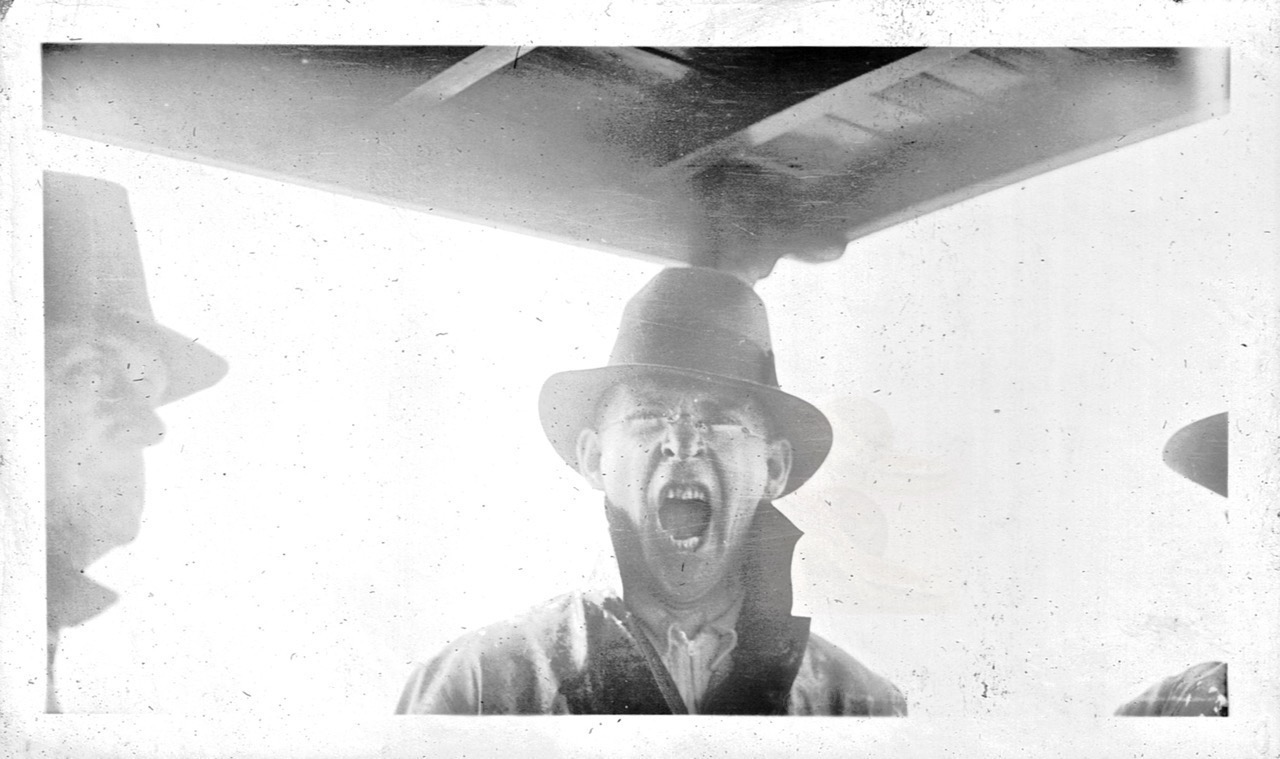
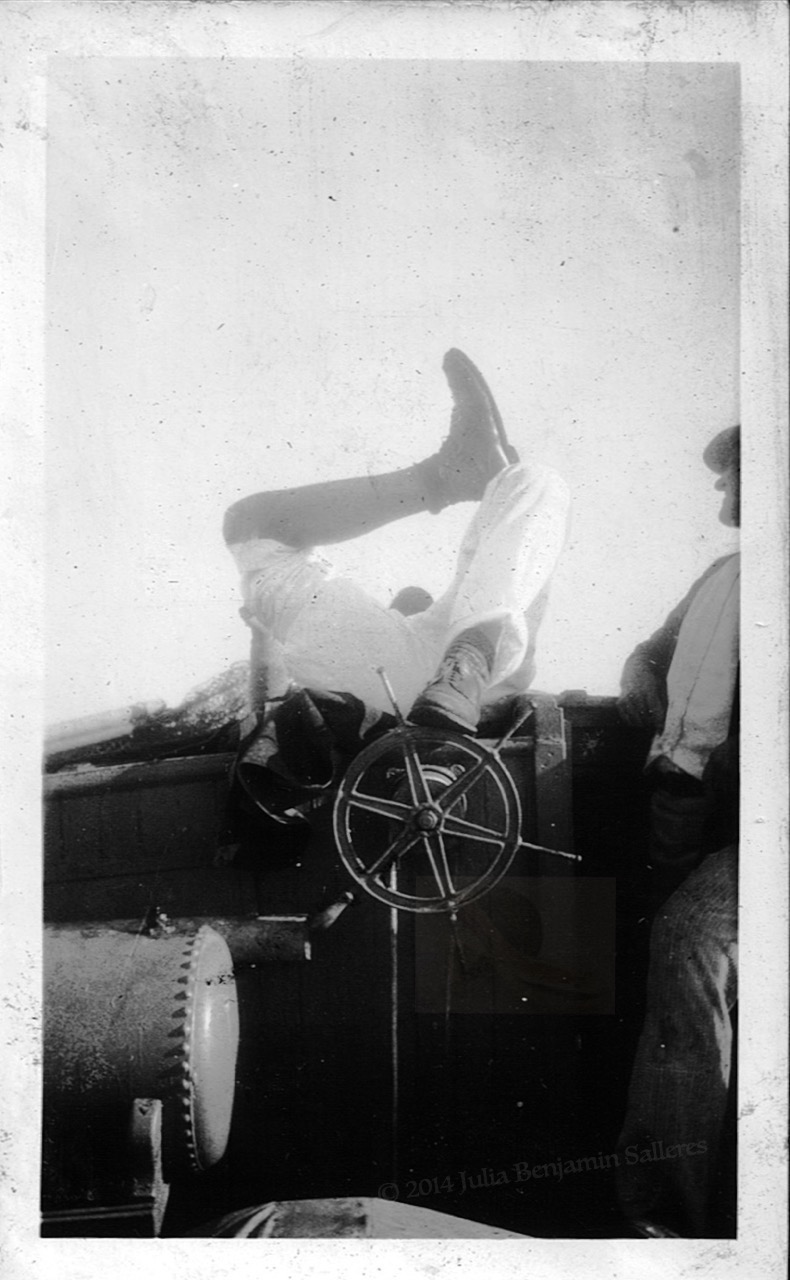
I recently found this album full of beautiful unmarked photos. I never knew my grandfather when he was healthy and physically strong so it’s fun to see him in a different light and amazing to remember the adversity that he overcame from his Dickensian childhood. I’m guessing they’re from the late 1920’s or early 1930’s.






Share

Fashion Historian Jonathan Walford Answers My Questions About The V Cut Throat Pump.
November 26, 2014 § Leave a comment
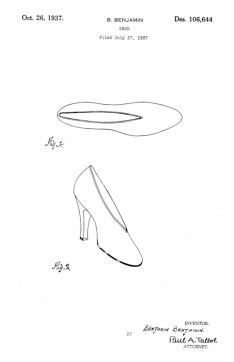 Curious about my grandfather’s V cut throat pump that I wrote about in my previous post, I contacted Fashion Historian Jonathan Walford. Jonathan has an illustrious resume which includes Curatorial Director of The Fashion History Museum in Ontario, Canada and Founding Curator of The Bata Shoe Museum. Jonathan is also an accomplished writer. Two of his books, The Seductive Shoe: Four Centuries of Fashion Footwear and Shoes A-Z: Designers, Brands, Manufacturers, and Retailers, are published by Thames & Hudson.
You can see he’s definitely the go to person when you have any fashion history questions. Here’s what he had to say:
A design patent protects the patent holder for three years before it falls into general use. They are rarely taken out because they are expensive, laborious and non-renewable, they also don’t require legal proof of original design, which a regular patent would require. As your grandfather made shoes for independent shoe retailers and stores it would make sense that he took out design patents to protect his shoe designs which kept them from being knocked off by someone else.
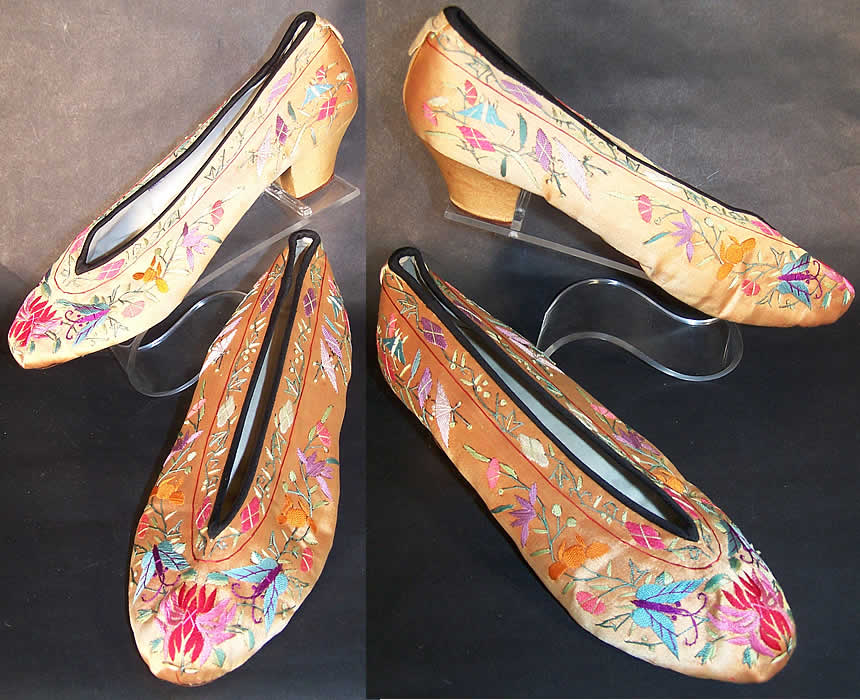
The V throat was certainly fashionable in shoes in the 1940s, and again in the 1980s, so your grandfather may have originated the fashion in Western footwear, although he wouldn’t have financially benefited from that, as a design patent is not the same as an intellectual copyright – you don’t own the idea for your lifetime. I can’t think of any ‘V’ cut throats that predate the late 1930s unless I look at examples like these below from China from the 1910s. Your grandfather may have borrowed the idea from shoes similar to these, or come up with the idea on his own.
Share

The V Throat Pump By Ben Benjamin.
November 26, 2014 § Leave a comment
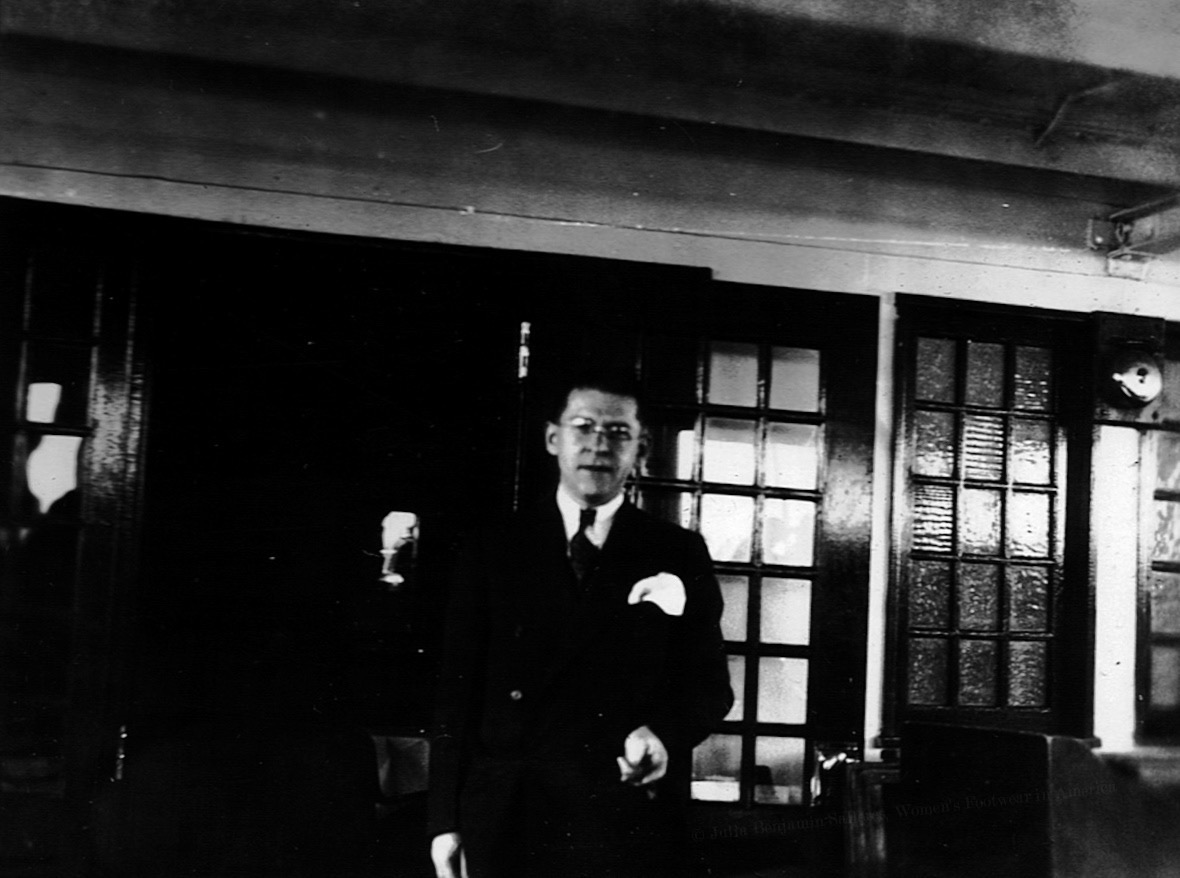
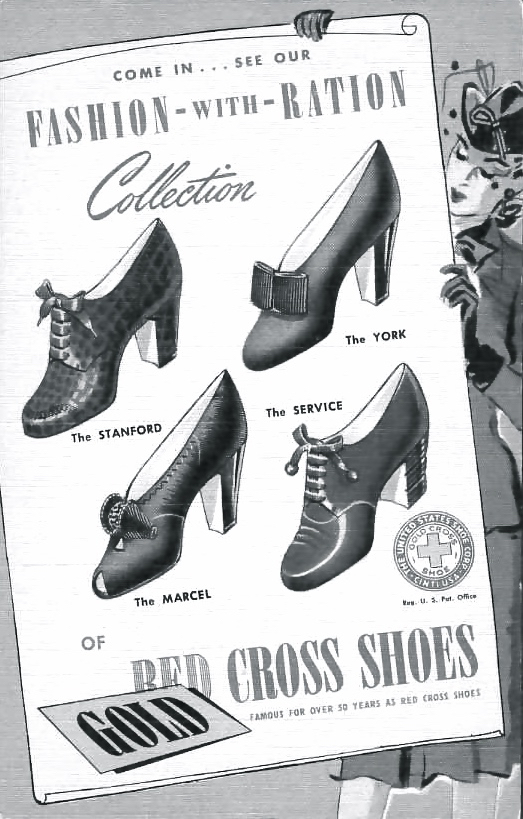
I invented a lot of things. I started the first pump with a V throat. It’s a Pump, but instead of a round throat…this came in a v shape. See?… We did well with that. That Patent stood for quite a while, cause the red cross people…they wanted me to come to Cincinnnati where their factory was to show them how to make it, and I did. I went down there, stayed a few days… – Ben Benjamin

Share

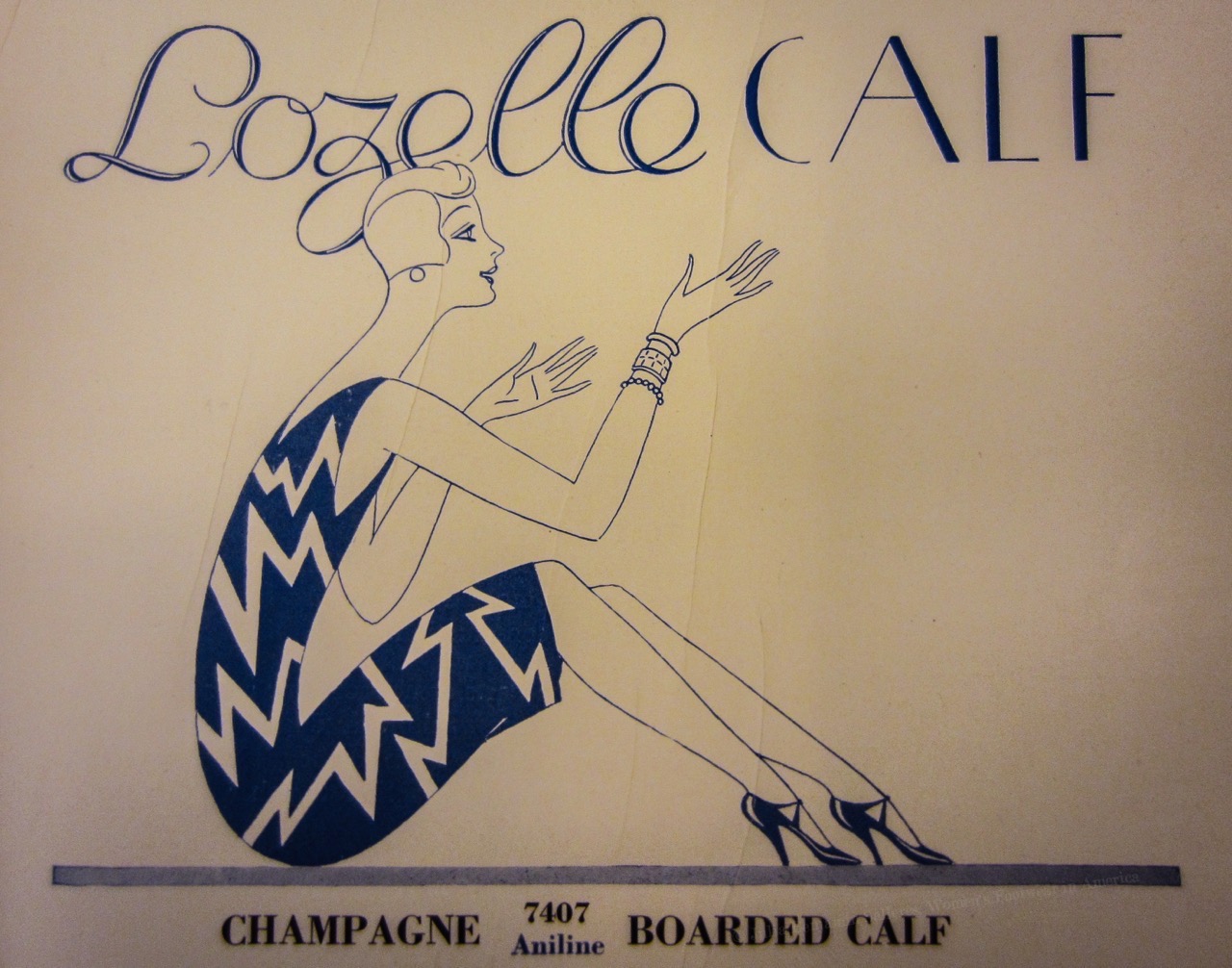
Lozelle, Leather, The Griess Pfleger Tanning Company, Leathers Of Character.
November 24, 2014 § 2 Comments
The Shoe Retailer, January, 19th, 1929.
Share



CONVERSE
May 29, 2014 § 8 Comments

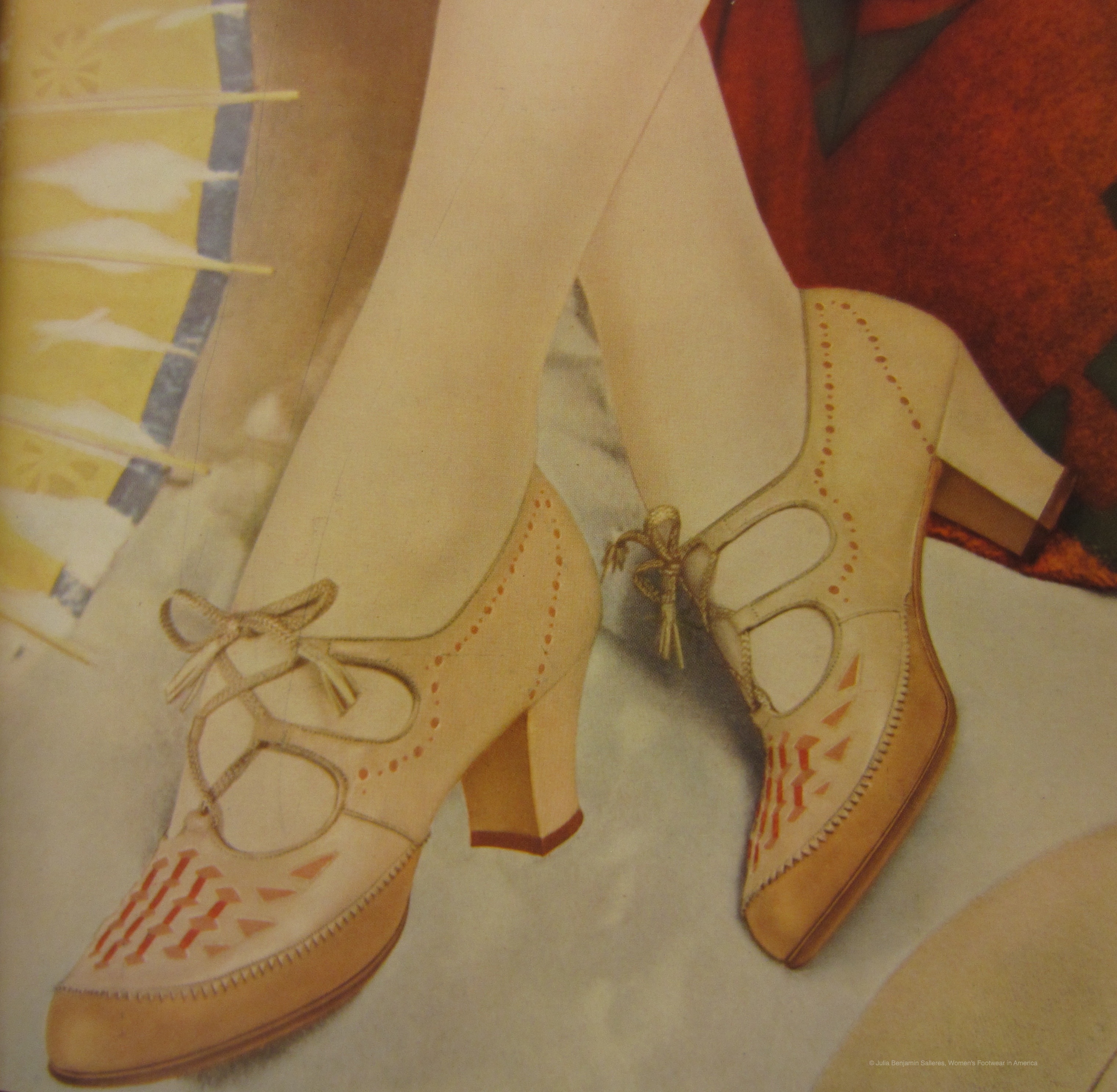
The Converse Rubber Shoe Company was founded in 1908. In 1917 they created a shoe called the All Star and in 1921, basketball player Charles “Chuck” Taylor joined a basketball team sponsored by Converse — The Converse All Stars. Taylor became a salesman for the company and made improvements to the shoe.

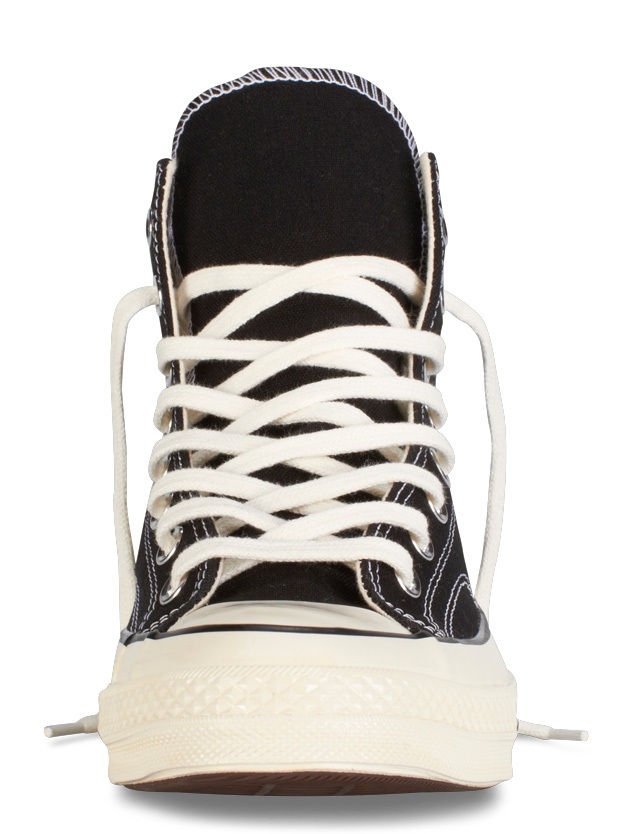
These days Converse appears to be a style choice.
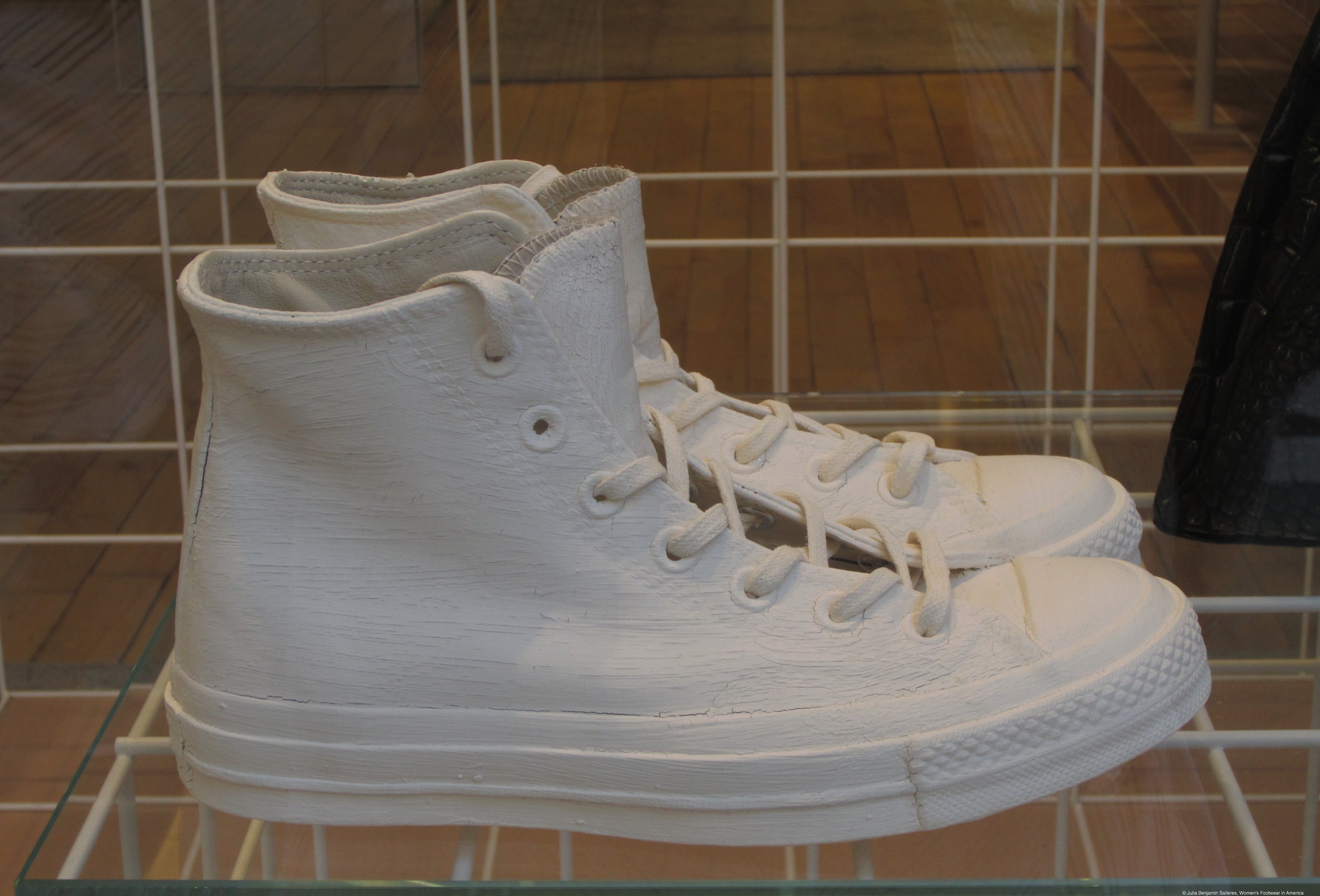
…and Nike dominates the neighborhood basketball courts.



Ironic.

Photo: Arthur Rothstein, Sept. 1935
Sneakers: Where Can’t They Go? – New York Times
Converse.com

 Women's Footwear in America